


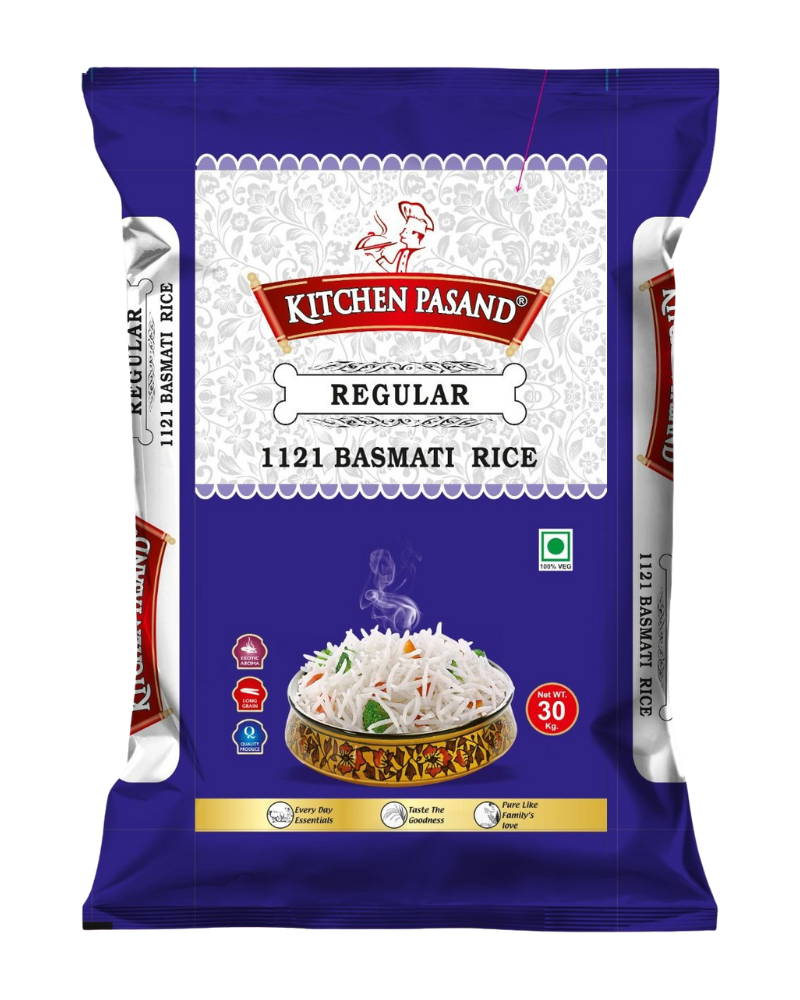
When buyers search for trusted basmati rice manufacturers, they are looking for consistent grain quality, rich aroma, long length, and reliable bulk supply. In today’s competitive agro industry, selecting professional basmati rice manufacturers is essential for wholesalers, distributors, retailers, and global importers who want long-term business growth.
At Shree Balaji Basmati Point, we specialize in processing, manufacturing, and supplying premium varieties of basmati rice. With years of industry experience and strong sourcing networks, we have built a reputation among dependable premium basmati rice manufacturers serving both domestic and international markets.
India leads the global basmati rice trade because of its superior quality and traditional cultivation practices. However, buyers today do not choose suppliers randomly. They prefer basmati rice manufacturers who offer:
Choosing experienced basmati rice manufacturers ensures that your business receives consistent quality and market-ready products.
As established basmati rice manufacturers, our focus remains on quality, precision, and customer satisfaction. Our structured production system includes:
1. Careful Raw Paddy Selection
We source premium-quality paddy from trusted agricultural regions to maintain superior output standards.
2. Scientific Aging Process
Proper aging enhances aroma, cooking performance, and grain strength.
3. Modern Milling Technology
Advanced machinery ensures minimal breakage and maintains grain length.
4. Multi-Level Quality Inspection
Each batch is inspected for moisture, purity, and consistency.
These practices strengthen our position among reliable bulk basmati rice suppliers in India.
Professional basmati rice manufacturers must offer diverse options to meet global demand. Our product portfolio includes:
1.1121 Basmati Rice : Known for its extra-long grains and excellent elongation after cooking.
2.Traditional Basmati Rice : Rich fragrance and authentic flavor preferred in premium markets.
3. Steam Basmati Rice : Light texture with fluffy and non-sticky cooking results.
4. Sella (Parboiled) Basmati Rice : Available in golden and white sella varieties with enhanced durability.
5. Long Grain Rice : Suitable for bulk commercial requirements.
This wide selection allows us to serve as dependable basmati rice exporter in India for different market segments.
Leading basmati rice manufacturers maintain strict operational standards. Our process includes:
Every stage is handled with precision to deliver export-quality rice. This commitment makes us a preferred choice among wholesale basmati rice suppliers.
Food safety and hygiene play a major role in rice exports. As responsible basmati rice manufacturers, we maintain:
Our goal is to meet international quality expectations and strengthen our credibility as trusted premium basmati rice manufacturers.
Scalability matters for distributors and global buyers. As experienced bulk basmati rice suppliers, we provide:
Our strong distribution network allows us to operate efficiently as a dependable basmati rice exporter in India.
As experienced basmati rice manufacturers, we cater to diverse industries that require consistent quality and reliable bulk supply.
1. Wholesale Traders
We provide large-volume stock with competitive pricing to support strong distribution networks.
2. Retail Chains & Supermarkets
Our uniform quality and secure packaging make us a dependable sourcing partner for retail brands.
3. Food Service Providers
Caterers and institutional buyers rely on us for consistent cooking performance and timely bulk delivery.
4. Hospitality Industry
Hotels and restaurants choose our premium varieties for superior aroma and presentation.
5. International Importers
As a trusted basmati rice exporter in India, we supply export-grade rice with proper documentation support.
5. Rice Exporters & Distributors
We assist exporters and distributors with scalable supply and customized packaging solutions.
Among many basmati rice manufacturers, we stand apart because of:
These strengths make us a reliable partner for businesses looking for stable sourcing from experienced basmati rice manufacturers.
Brand presentation plays a vital role in retail success. As professional basmati rice manufacturers, we offer:
This flexibility supports distributors searching for dependable wholesale basmati rice suppliers.
We believe business growth depends on trust and consistency. As dedicated basmati rice manufacturers, our objective is to:
Whether you are looking for a long-term bulk basmati rice supplier or a reliable basmati rice exporter in India, we are prepared to meet your requirements.
The global rice market is highly competitive, and selecting professional basmati rice manufacturers directly impacts product reputation and profitability. Quality, consistency, and reliability are key factors when choosing a supplier.
At Shree Balaji Basmati Point, we combine traditional expertise with modern processing standards to deliver premium-grade basmati rice in bulk quantities. As trusted premium basmati rice manufacturers, we remain committed to quality excellence, scalable supply, and long-term business relationships.
If you are searching for dependable basmati rice manufacturers for wholesale or export requirements, connect with us today to discuss your bulk supply needs.
1. What should I look for when selecting basmati rice manufacturers?
Choose basmati rice manufacturers who maintain strict quality checks, offer proper aging, and provide consistent bulk supply.
2. Do you handle bulk export orders?
Yes, we operate as experienced bulk basmati rice suppliers capable of fulfilling large domestic and international consignments.
3. What varieties of basmati rice are available?
We offer 1121, Traditional, Steam, and Sella basmati rice along with long grain options.
4. Can you provide customized packaging?
Yes, as professional basmati rice manufacturers, we offer private labeling and flexible packaging options.
5. Do you serve international markets?
Yes, we function as a reliable basmati rice exporter in India, supplying to global buyers.