


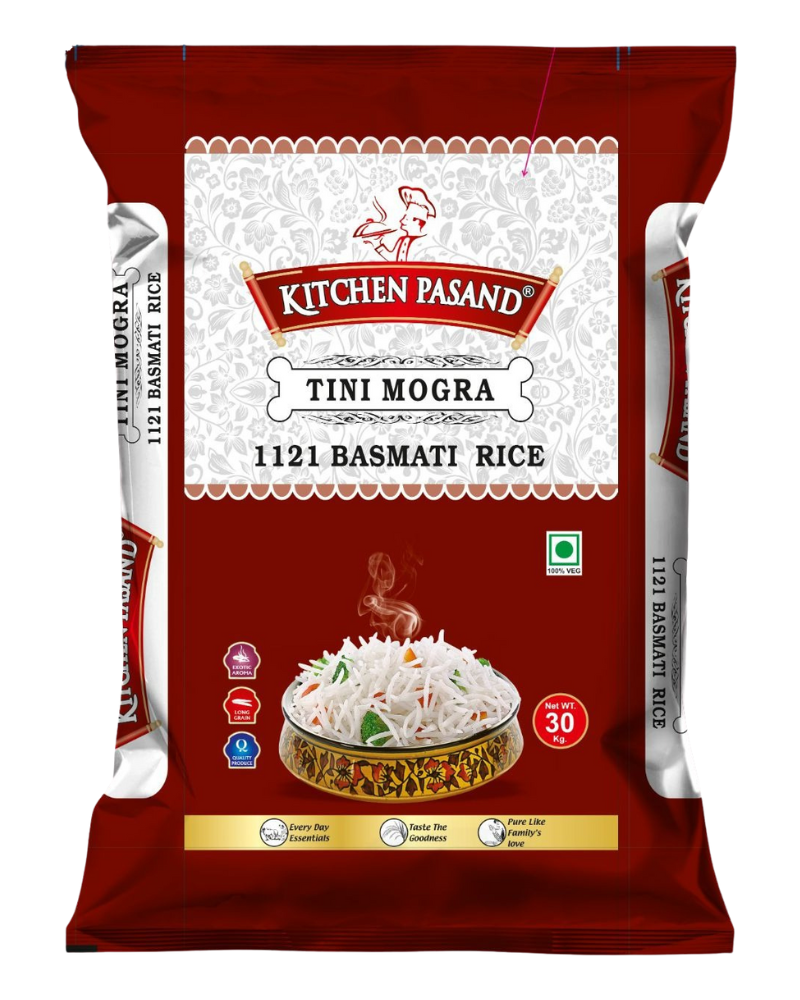
India has long been known as the heartland of aromatic rice cultivation. From fertile agricultural fields to advanced processing facilities, the country produces some of the finest rice varieties in the world. Among the leading basmati rice manufacturers in India, Shree Balaji Basmati Point has built a strong reputation for quality, consistency, and dependable bulk supply.
In today’s competitive global rice trade, buyers are not just looking for suppliers — they are looking for partners who understand quality standards, export compliance, and large-scale distribution. This is where experienced basmati rice manufacturers in India play a vital role.
The responsibility of true basmati rice manufacturers in India goes far beyond simple processing. It involves:
Shree Balaji Basmati Point works at every stage of this value chain to ensure that customers receive rice that meets bothIndian and global expectations.
As one of the trusted basmati rice manufacturers in India, Shree Balaji Basmati Point supplies rice across multiple states and trade hubs. The company maintains structured sourcing networks and organized distribution systems to ensure uninterrupted availability. From wholesalers and retail brands to hospitality buyers and exporters, the company supports businesses that require consistent bulk quantities with uniform quality standards.
Being recognized among reliable rice manufacturers in India, the focus remains on maintaining purity, long grain length, and natural aroma — the qualities that define authentic basmati rice.
One of the key strengths of Shree Balaji Basmati Point lies in its specialization as long grain basmati rice manufacturers in India. Long grain varieties are highly demanded in international markets due to their elongation after cooking and appealing presentation.
By combining traditional agricultural sourcing with advanced processing systems, the company ensures:
This specialization strengthens its position among established basmati rice manufacturers in India serving export-driven markets.
Consistent distribution is essential for large-scale buyers. As experienced basmati rice manufacturers in India, Shree Balaji Basmati Point supplies rice across the country while maintaining quality benchmarks.
The company supports:
Its structured logistics and transparent business approach ensure smooth supply across India and global markets.
Export readiness differentiates professional manufacturers from small suppliers. Shree Balaji Basmati Point functions as an export-focused organization, strengthening India’s global rice presence.
The company offers:
This makes it a dependable partner for buyers looking for professional basmati rice manufacturers in India with international trade experience.
The credibility of basmati rice manufacturers in India depends entirely on quality control. Shree Balaji Basmati Point follows systematic inspection processes from raw material procurement to final dispatch.
Every batch undergoes:
Such consistent monitoring ensures that buyers receive rice that meets high market standards, strengthening long-term business relationships.
In a market filled with suppliers, businesses prefer working with established basmati rice manufacturers in India who offer stability and transparency. Shree Balaji Basmati Point stands out because of:
These strengths make the company a preferred choice for distributors, retailers, and international importers.
India’s position as a global rice leader depends on experienced and responsible basmati rice manufacturers in India. Quality assurance, structured operations, and scalable production capacity are essential for sustaining long-term trade relationships.
With strong sourcing networks, modern infrastructure, and nationwide as well as international supply capabilities, Shree Balaji Basmati Point continues to strengthen its role among trusted basmati rice manufacturers in India. Businesses seeking consistent quality, long grain excellence, and dependable bulk supply can confidently partner with an experienced Indian manufacturer.
1. Why choose basmati rice manufacturers in India?
Basmati rice manufacturers in India offer authentic long grain varieties, strong aroma, and competitive bulk pricing for domestic and export markets.
2. Does Shree Balaji Basmati Point supply across India?
Yes, Shree Balaji Basmati Point supplies premium rice across India and also supports international exports.
3. Do you handle bulk and export orders?
Yes, we operate as professional basmati rice manufacturers in India, managing bulk supply and export-ready shipments.
4. What varieties do you manufacture?
We specialize in 1121, traditional, steam, and sella varieties, including long grain premium options.
5. Can packaging be customized?
Yes, customized and private label packaging options are available for wholesalers and importers.